
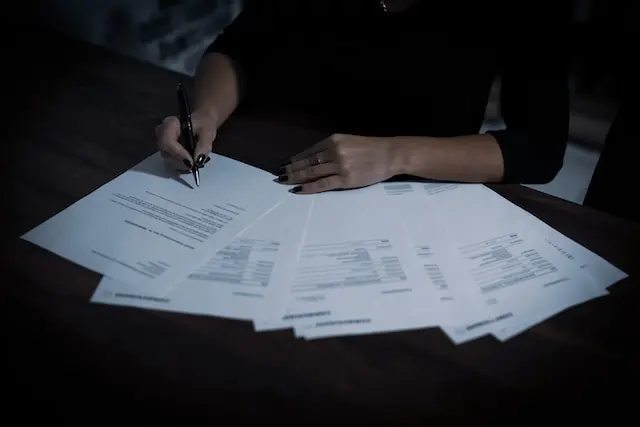
Selling a house is a significant undertaking that involves various steps and paperwork. If you’ve decided to take on the task of selling your Houston home without the assistance of a real estate agent, you’re not alone. Many homeowners are opting for this route to save on commissions and maintain control over the sales process. However, it’s crucial to be well-prepared and informed about the paperwork required to ensure a smooth and successful transaction. In this guide, we’ll walk you through the essential paperwork you’ll need when selling your Houston home on your own.
1. Property Disclosure Documents:
One of the most critical aspects of selling a house is disclosing any known issues or defects to potential buyers. In Texas, sellers are required to provide a Seller’s Disclosure Notice (Form TREC No. OP-H) to inform buyers about the condition of the property. This document covers various aspects of the property, including its structural elements, systems, and any past or current problems.
2. Purchase Agreement (Sales Contract):
The purchase agreement is the core document that outlines the terms and conditions of the sale. It covers details such as the sale price, earnest money deposit, financing contingencies, closing date, and any special agreements between you and the buyer. While you can draft your own purchase agreement, it’s recommended to seek legal advice or use a standardized contract form to ensure all necessary legal elements are included.
3. Lead-Based Paint Disclosure (if applicable):
If your home was built before 1978, you’re required to provide potential buyers with a lead-based paint disclosure form. This form informs buyers about the potential presence of lead-based paint and provides information about any hazards associated with it.
4. Deed:
The deed is the legal document that transfers ownership of the property from you to the buyer. In Texas, a General Warranty Deed is commonly used, which provides certain warranties and protections to the buyer regarding the property title. It’s recommended to work with a real estate attorney or title company to prepare and execute the deed correctly.
5. Property Tax Information:
Buyers often want to know about the property’s tax history, including the current tax assessment and any unpaid taxes. Providing accurate property tax information helps build trust with potential buyers and allows them to make informed decisions.
6. Homeowners Association (HOA) Documents:
If your property is part of a homeowners association, you’ll need to provide the buyer with HOA documents, including rules and regulations, financial statements, and any pending assessments or fees. Buyers want to understand the obligations and restrictions associated with the HOA before committing to a purchase.
7. Title Report and Title Insurance:
Before the sale can proceed, the buyer’s lender will typically require a title search to ensure the property’s title is clear of any liens, claims, or encumbrances. A title insurance policy is also usually obtained to protect both the buyer and the lender against any unforeseen issues with the title.
8. Closing Statement (HUD-1 Settlement Statement):
The closing statement outlines the financial details of the transaction, including the final sale price, prorated property taxes, and any closing costs. This document is prepared by the title company or closing attorney and provides a breakdown of the funds exchanged between the parties.
9. Bill of Sale:
If you’re including any personal property in the sale, such as appliances or fixtures, a bill of sale can be used to document the transfer of these items to the buyer.
10. Other Necessary Documents:
Depending on the specifics of your property and the transaction, you might need additional documents such as affidavits, release of liens, or any required local disclosures.
In Conclusion:
Selling your Houston home without a real estate agent can be a rewarding endeavor, but it also comes with a responsibility to handle the necessary paperwork accurately and efficiently. While it’s possible to manage the paperwork on your own, consulting with a real estate attorney or utilizing standardized forms can help ensure that you’re meeting all legal requirements and protecting your interests throughout the process. Being well-prepared and organized will contribute to a successful sale and a smooth transition of ownership for both you and the buyer.
me0pjs
2pb8gg
50rh0w
Thanks for sharing. I read many of your blog posts, cool, your blog is very good.
rmjk9w
gjnf45
n4c2sp
UjUfjQDdRDvRFmENJN
Your point of view caught my eye and was very interesting. Thanks. I have a question for you.
Great wordpress blog here.. It’s hard to find quality writing like yours these days. I really appreciate people like you! take care
Really nno matter iif somerone doesn’t be awafe oof fterward its
upp tto oher viiewers that tney will assist, sso hee itt happens.
xnxx
Super easy to navigate and the customer support is actually helpful. Great job on the layout of jljl22login.