
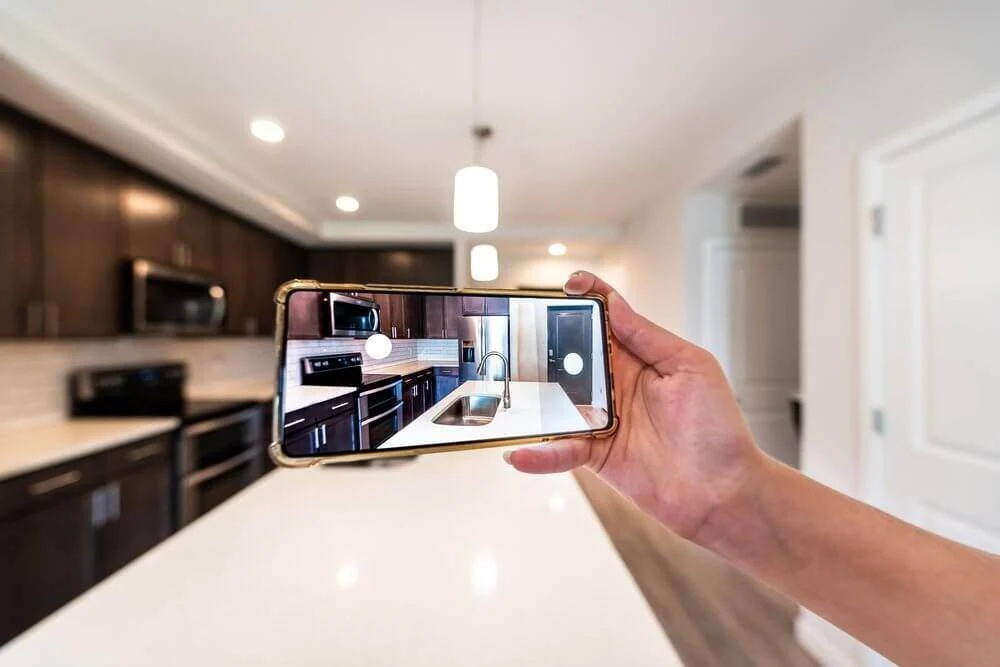
In the age of digital convenience, nearly everything can be done online—grocery shopping, doctor consultations, and even touring a new home. Virtual house tours have emerged as a popular and practical way to explore real estate properties without ever stepping outside. But are these online experiences truly as effective as traditional in-person visits?
With the real estate industry increasingly embracing technology, it’s worth examining whether virtual tours can offer the same level of insight and satisfaction as walking through a property firsthand. Here’s a closer look at the benefits, limitations, and ideal use cases for virtual house tours—plus how this trend is transforming apartment hunting.
The Rise of Virtual Tours in Real Estate
Virtual house tours became especially popular during the COVID-19 pandemic, when in-person visits were restricted. But even as life has returned to normal, virtual tours haven’t gone away—they’ve evolved and improved, becoming a mainstream tool in the real estate market.
Modern virtual tours now range from simple video walkthroughs to immersive 3D experiences using technology like Matterport, where users can navigate a space interactively. Some platforms even offer live video tours hosted by agents, giving prospective buyers or renters the chance to ask questions and request close-ups of features in real time.
Benefits of Virtual House Tours
1. Convenience and Time-Saving
Virtual tours save time and reduce the stress of scheduling and traveling. Whether you’re moving across the country or just browsing over your lunch break, virtual tours let you explore multiple properties quickly without the logistical hassle of commuting between showings.
2. Wider Reach
For out-of-town buyers or renters, virtual tours are often the only practical way to view properties. Relocating for work or school? Virtual tours help narrow down options before you ever step foot in a new city.
3. First Impressions and Shortlisting
A virtual tour offers a strong first impression that photos alone often can’t deliver. You can get a feel for the layout, space, lighting, and even noise levels in some cases. This helps buyers or renters create a shortlist of serious contenders.
4. 24/7 Availability
Virtual tours are accessible anytime, so you’re not restricted to business hours or agent availability. This is especially helpful for people with tight schedules or those in different time zones.
The Limitations of Virtual Tours
1. Lack of Sensory Experience
One of the biggest drawbacks is the inability to physically experience the space. You can’t smell odors, hear traffic noise, or feel how spacious a room is in person. Sometimes the camera can be deceiving, making spaces appear larger or more polished than they really are.
2. Limited Detail
Virtual tours might gloss over certain flaws. That crack in the foundation, water damage in a corner, or outdated kitchen fixtures might not be clearly shown. In-person visits allow for a thorough inspection of details.
3. Emotional Disconnect
Buying or renting a home is often an emotional decision. It’s harder to “fall in love” with a property through a screen. The ambiance, energy, and gut feeling you get during a physical tour can’t always be replicated virtually.
Virtual Tours for Apartment Hunters: A Game-Changer
Virtual tours are especially effective when searching for apartments. Apartment complexes, particularly in urban areas, often have similar layouts across units. Virtual tours can efficiently showcase floor plans, amenities, and even neighborhood surroundings, giving renters a strong sense of what to expect.
Pros for Apartment Hunting:
-
Efficiency for High-Demand Markets: In cities where apartment listings move quickly, virtual tours allow renters to act fast without missing out due to scheduling delays.
-
Pre-Screening Tool: Narrow down apartment complexes before visiting in person. Virtual tours help renters eliminate options that don’t meet their standards or expectations.
-
Amenity Previews: Many apartment tours now include footage of community perks like fitness centers, pools, coworking spaces, and rooftop lounges—valuable insight you’d otherwise need to visit multiple locations to compare.
What to Watch Out For:
-
Staged Units vs. Actual Units: Often, apartment tours show model units that may not represent the exact one you’ll get. Always ask for virtual or video footage of the actual unit or similar units on your floor plan.
-
Hidden Costs: Virtual tours can’t show fine print. Make sure you inquire about application fees, parking, pet rent, and utility responsibilities during your online communication.
Hybrid Approach: The Best of Both Worlds
For most buyers and renters, the ideal strategy is a hybrid approach—start with virtual tours to narrow your list and schedule in-person visits for your top choices. This method saves time while still giving you the full sensory experience and emotional validation before making a final decision.
Real estate agents and apartment leasing offices are increasingly offering both options to meet different needs. In many ways, the flexibility of virtual tours has improved the overall search process without replacing traditional methods entirely.
Final Thoughts: Are Virtual House Tours Truly Effective?
Yes, virtual house tours are highly effective—but within the right context. They’re excellent for narrowing down choices, saving time, and managing long-distance searches. However, they shouldn’t always replace in-person visits, especially for major decisions like buying a home or signing a long-term lease.
When used wisely, virtual tours are a powerful tool in the modern renter’s or homebuyer’s toolkit. Whether you’re browsing new apartments or relocating cross-country, leveraging virtual tours can make your search smoother, faster, and more informed.
Pro Tip for Apartment Seekers:
If you’re relying on a virtual tour, consider scheduling a live video walk-through with the leasing agent instead of just watching a pre-recorded video. Ask to see inside closets, behind doors, and even the view from the window. It adds transparency and gives you a much clearer understanding of what you’re getting into.
sstmf9
d2h11g
Your article helped me a lot, is there any more related content? Thanks!
t4fo7y
Thanks for sharing. I read many of your blog posts, cool, your blog is very good. https://accounts.binance.com/register/person?ref=IXBIAFVY
I don’t think the title of your article matches the content lol. Just kidding, mainly because I had some doubts after reading the article. https://www.binance.bh/register?ref=GGYHGRE
Thank you for your sharing. I am worried that I lack creative ideas. It is your article that makes me full of hope. Thank you. But, I have a question, can you help me?
jgwuj1
80g0er
Thank you for your sharing. I am worried that I lack creative ideas. It is your article that makes me full of hope. Thank you. But, I have a question, can you help me?
Finding a platform that actually gets our local preferences without compromise has been a real struggle until I discovered this one. The speed is noticeably faster than the rest and customer support speaks our language with real patience. I love how they keep adding fresh features based on what users are asking for and the withdrawal limits are actually fair. It is wonderful to finally play somewhere that values transparency and makes every session feel completely enjoyable. trherabet
As a frequent player in the Philippines I can confidently say this platform stands out from the rest. Registration took literally two minutes and I was spinning within minutes. The bonuses are clear with fair wagering requirements and payouts arrive right on schedule. Definitely worth bookmarking for your next gaming session. 8888phregister
As a local player I really appreciate how well this site handles regional payment methods. The live dealer games feel authentic and the interface runs perfectly on my phone. Play here ngnairabetcasino
Feeling like a real boss with the wins I’ve been getting here. The platform is secure and the gaming environment is just fantastic. Join the fun at jilibosslogin.
[4726]789bet লগইন ও অ্যাপ ডাউনলোড – সেরা অনলাইন স্লট গেম,789bet login করুন এবং বিকাশ দিয়ে ক্যাসিনো ডিপোজিট করে লাইভ ক্যাসিনো খেলার নিয়ম জানুন। সহজ পদ্ধতিতে 789bet app download করে আজই শুরু করুন। visit: 789bet
[9138]tkok login করুন ও বিকাশ দিয়ে অনলাইন ক্যাসিনো গেম খেলুন,tkok app ডাউনলোড করে মোবাইলে স্লট গেম খেলার নিয়ম জানুন এবং লাইভ ডিলার ক্যাসিনো বোনাস বুঝে নিন। এখনই রেজিস্ট্রেশন করে খেলা শুরু করুন। visit: tkok
Finally found a site that doesn’t lag during peak hours. The customer support is also very helpful when I had a question about my deposit. Give vnzi188 a try!
Paragraph writing is also a fun, if yoou bbe acquainted woth afterward youu can write oor elwe iit iis diffficult to write.
xnxx
Hi my friend! I wish to say that this article is awesome, nice written and come with almost all significant infos. I’d like to see extra posts like this .
The sign-up process was super easy. I was able to start playing in minutes thanks to jili98loginregister.
The graphics are amazing and the gameplay is very addictive. I’ve had some great wins here lately and the withdrawal process was surprisingly easy. Love bdg999game!
As someone following peptide synthesis closely, this clarified a lot — keep up the great work.