
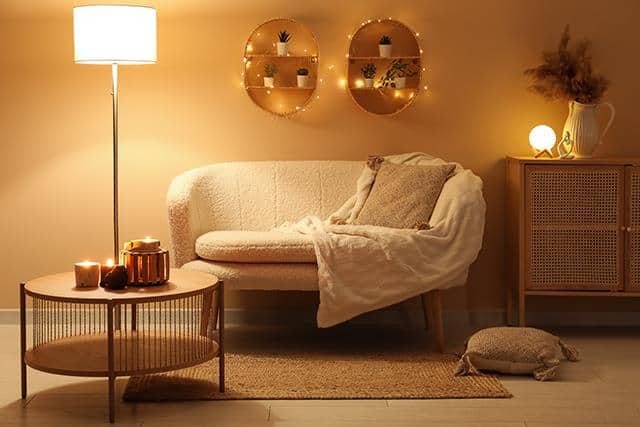
When it comes to selling a home, first impressions matter—and lighting plays a surprisingly powerful role in creating those impressions. Many homeowners focus on repainting walls or upgrading finishes, but often overlook how transformative good lighting can be. Proper lighting doesn’t just illuminate a space—it adds warmth, highlights key features, and makes a property feel more inviting.
In this article, we’ll explore how to use lighting strategically to make your home more marketable to potential buyers. Whether you’re staging a property for sale or planning a future listing, smart lighting choices can boost appeal and even raise your asking price.
1. Understand the Psychology of Lighting
Lighting has a profound psychological impact. Bright, well-lit spaces feel more open and welcoming. Dim or unevenly lit rooms, on the other hand, can feel cramped, dated, or even gloomy. When potential buyers walk through a house, their emotions play a big role in how they perceive the space.
By ensuring your home is well-lit—both naturally and artificially—you can create a positive emotional response that helps buyers envision themselves living there. This is key in real estate marketing.
2. Maximize Natural Light
One of the most desirable features in any home is abundant natural light. If your home has large windows or skylights, highlight them. Here’s how:
-
Open blinds and curtains before showings or during photo shoots to flood rooms with daylight.
-
Trim outdoor foliage that may be blocking sunlight from entering the home.
-
Use light window treatments or sheer curtains to let light in while maintaining privacy.
Natural light not only makes a space feel more inviting but also makes rooms appear larger—two big selling points.
3. Upgrade Outdated Fixtures
Dated or mismatched lighting fixtures can drag down your home’s appeal. Swapping them out for modern alternatives can dramatically refresh the look of your home without breaking the bank.
Focus on key areas:
-
Kitchen: Replace old ceiling lights with recessed lighting or pendant lights over islands.
-
Dining area: Install a stylish chandelier or modern statement piece.
-
Bathroom: Add vanity lighting on both sides of the mirror or above it to eliminate shadows.
Choose fixtures with clean lines and neutral finishes like brushed nickel, matte black, or antique brass to suit most design preferences.
4. Layer Your Lighting
Professional home stagers often talk about layered lighting, which involves using three types of lighting:
-
Ambient lighting – the main source of light in a room, usually ceiling-mounted.
-
Task lighting – directed light used for specific functions, like reading or cooking.
-
Accent lighting – used to highlight architectural features, artwork, or decor.
Layering these types of lighting creates depth and visual interest in a room. For example, a living room might feature a ceiling light (ambient), table lamps (task), and wall sconces or uplights behind plants (accent).
When done correctly, layered lighting can make a home feel luxurious and thoughtfully designed.
5. Use Smart Bulbs for Flexibility
Smart lighting gives you control over brightness and color temperature, often from your smartphone or a voice assistant. This flexibility can be a major perk during showings or virtual tours.
Adjust settings to:
-
Create a warm, cozy atmosphere in the evenings.
-
Set daylight-balanced lighting during the day to match natural sunlight.
-
Dim the lights subtly to highlight mood or ambiance in a particular space.
Buyers may also see smart lighting as a tech upgrade, which adds to the home’s perceived value.
6. Choose the Right Color Temperature
Not all light is created equal. Color temperature, measured in Kelvins (K), plays a big role in how a room feels.
-
Soft white (2700K – 3000K): Warm and inviting; great for living rooms and bedrooms.
-
Cool white (3500K – 4100K): Clean and bright; ideal for kitchens and bathrooms.
-
Daylight (5000K – 6500K): Crisp and energizing; useful for task-heavy areas like home offices or garages.
A good rule of thumb is to keep the lighting temperature consistent throughout your home to avoid jarring transitions between rooms.
7. Illuminate Outdoor Spaces
Curb appeal isn’t just about landscaping—exterior lighting is just as important. Outdoor lighting not only enhances safety and security but also adds charm and drama to your home’s exterior.
Some effective outdoor lighting upgrades include:
-
Pathway lighting to guide visitors to your front door.
-
Uplights or spotlights to highlight trees or architectural elements.
-
Porch and patio lighting to showcase outdoor living areas.
Outdoor lighting sets the tone for the home before buyers even step inside.
8. Highlight Key Features
If your home has special features—like built-in shelves, a fireplace, or artwork—you can use accent lighting to draw attention to them. This not only makes these features stand out but also demonstrates the thoughtful design of your space.
Use tools like:
-
Recessed spotlights
-
Under-cabinet lighting in kitchens
-
LED strip lights on shelves or crown molding
By highlighting these details, you subtly guide buyers’ eyes toward the selling points of the home.
Good lighting is more than just functional—it’s a strategic tool in home marketing. By brightening your space, modernizing your fixtures, and using lighting to create mood and highlight features, you can increase your home’s appeal and help it sell faster (and potentially for more).
So before you put your home on the market, take a good look at how it’s lit. It might just be the secret weapon you need to make that sale.
guwiqm
https://shorturl.fm/uUP7Q
https://shorturl.fm/WBcg0
https://shorturl.fm/4DRUF
https://shorturl.fm/NJ7gV
yewcb1
o0f655
https://shorturl.fm/eRIzB
smidpt
w17a1m
https://shorturl.fm/Azv7k
bq3a1i
pz7gc6
wed6ze
7ldb3f
[3438]1111bet অফিসিয়াল লগইন | সেরা অনলাইন ক্যাসিনো ও স্লট গেম,1111bet অ্যাপ ডাউনলোড করে সেরা অনলাইন ক্যাসিনো গেমের অভিজ্ঞতা নিন। বিকাশ দিয়ে টাকা জমা করে সহজেই স্লট গেম খেলা শুরু করুন। আজই জয়েন করুন। visit: 1111bet